Fear and Loathing in Nebraska

IMG_0676

The fear of losing the thread of return dooms us to sticking pretty close to home. And that is a high price to pay, for this is a very big and a very surprising universe. 

— Peter London, “No More Secondhand Art”

Staying tethered too close to home is definitely not what I’m after. And fear is something I’ve been thinking a lot about lately.

Recently, we Art Farm residents were having dinner at the Don’t Care Bar in Marquette, the town closest to us, population 229. A frantic bartender approached our table asking if any of us could help wait tables since their regular waitress had walked out wordlessly that night, and they were severely shorthanded.

Looking around at the empty restaurant, I shrugged and agreed.

I hate waiting tables and bar-tending and anything else that you do in that industry — mainly because I have worked in every possible post in restaurants and bars for many years, supporting myself though college. It’s not like I forgot about this when I agreed to take the gig on — it’s just that I feel like I should say yes more and see where it takes me.

But the day before my first shift, I found the anxiety sinking in. I’m painfully shy, I remember suddenly. Talking to strangers makes me excessively nervous. What am I doing???

My friend Aimee and I had been talking about how fear can sneak in and start to affect your actions, how younger, wilder, less wise versions of ourselves had led us to make decisions that were dangerous and eventually regrettable — and how that has led us to be — often regrettably — less spontaneous, less wild and less free than we actually hope and want to be.

We agree to let go a little — small things at first — and allow ourselves to return to those essential beings. And I watch as Aimee, afraid of heights, scales a tall ladder, climbs the scaffolding in a barn and jumps out on a rope swing.

I push forward in my own little ways. I go in and do the work. The evening is busier than I expected, a flashback to why I quit waiting tables long ago and a reminder that my current day job isn’t that bad after all. At the end of the night, Patricia, Ben and I put money in the jukebox, order extra large spiced rum-and-cokes and play pool with the locals.

Why is it important to face fears as an artist? Well because art is like life. Because making art is essentially facing fear, facing the blank page, facing your real, innermost emotions, looking at the world and having the courage to say, “This is how I see it.”

It’s balancing your feet on the edge of the floor, reaching out for the piece of rope and swinging out into the open.

And I think to create real art, you have to live for real. And that can be scary sometimes.
It’s I’m-in-Love Kind of Weather

IMG_0772

View from my Window

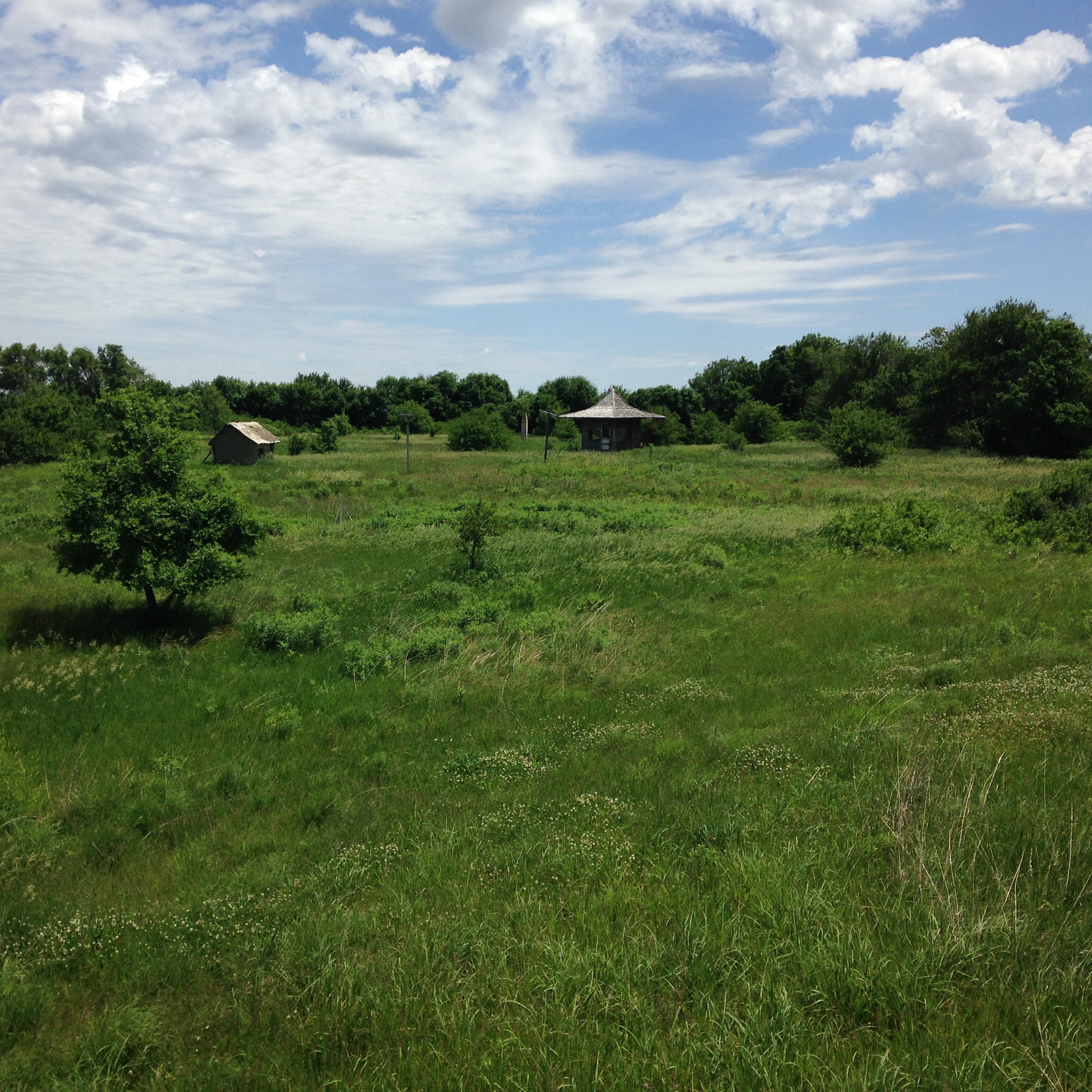
I woke up today and the very first thing that caught my eye as I looked out the window to check the weather was a rabbit jumping through the meadow. It hit me hard — this is a magical kind of place.

Later in the day, I opened the window to my room, and the breeze was so strong that it blew the comforter straight off my bed. The rolling air made my afternoon of interviews for the newspaper more palatable. It was soothing and soft and constant. I went downstairs and all the other girls who live in this house were outside, laughing and chatting.

“It’s beautiful out,” Carmella sighed.

“It’s I’m-in-love kind of weather,” I said. And everyone laughed again in response.

But seriously, it was the kind of day that feels like when you first fall for someone and everything is full of wonder, the good kind of love when you feel at peace instead of that stomach-crushing, anxiety-filled, dangerous variety.

i got a phone call from Chance, and we talked for a while about relationships — all varieties. One of the things that I have been thinking a lot about lately is the need artists have for a community of like-minded individuals. Not that it isn’t a good idea to spend time with a variety of people — but I think it’s important if you’re an artist to surround yourself with other creative types, other driven people, artists with the same work ethic, individuals who feed your emotions and stir up ideas. That’s one of my take-away lessons from the Art Farm.

Chance agreed, “It’s not only needed; it’s imperative.”

Then he admitted that it may be harder to do than it sounds. “The way I live isn’t easy,” he said.

On Being More Present

IMG_0881

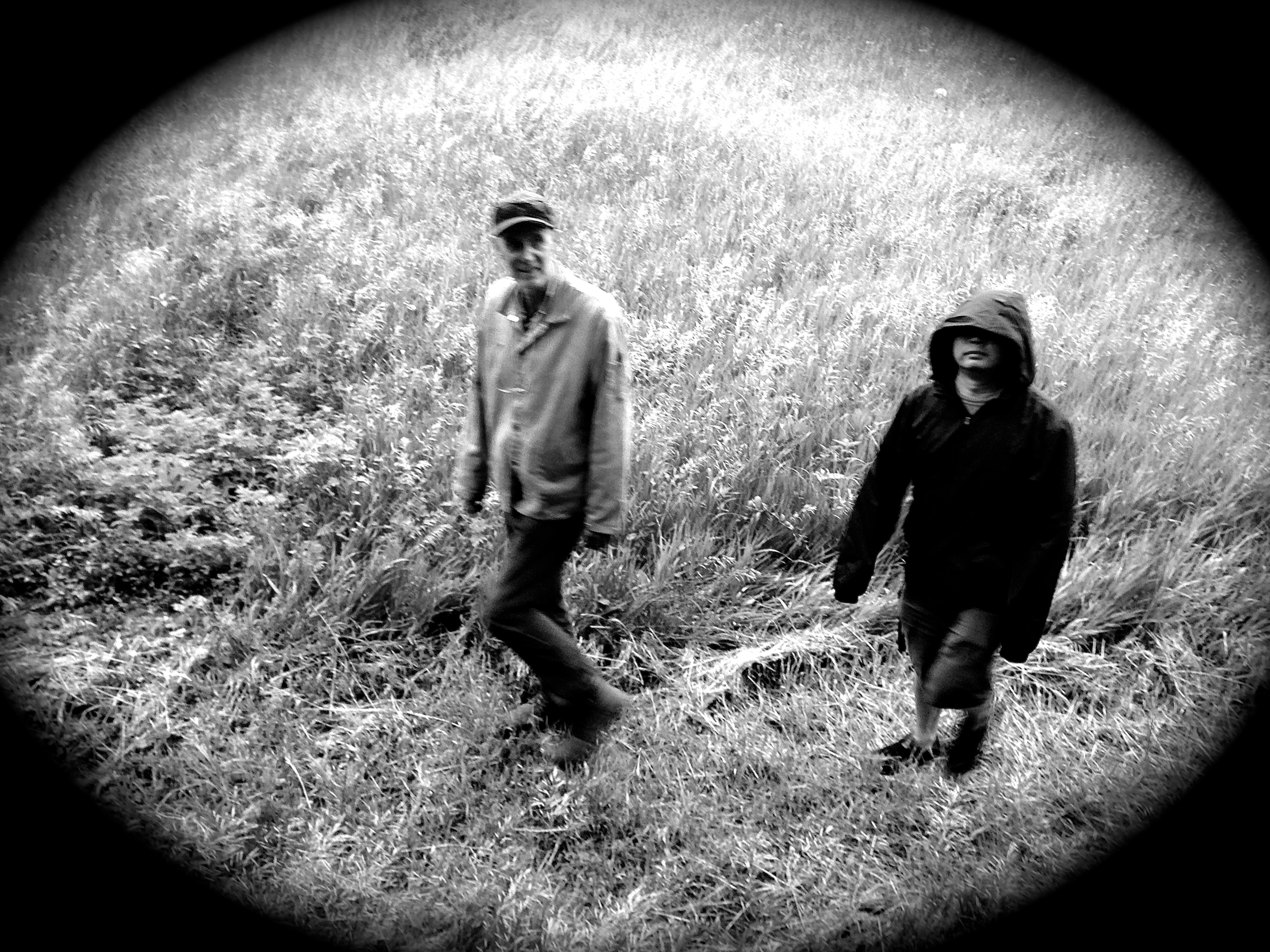
Yoshi out walking on the Art Farm with Ed

Last night a circle of women sat around a fire at the Art Farm in Nebraska and declared their intentions of change in honor of the new moon. One of my goals is to be more present — and for me, this often means knowing when NOT to work. I tend to work all the time.

Last week, the artists in residence drove our cars in a chain to Polk, NE to move furniture out of a home. After everything was cleared, the owner of the property Jave Yoshimoto, who told us to call him “Yoshi,” asked if anyone would be willing to help him clean the place up.  Aimee and I immediately volunteered and were soon joined by our friend Patricia.

While it would have been easy to say no and to head home to work on art, this seemed more important to me for some reason — to help out a fellow artist and to have a great experience to share among friends.

After about three hours, the place was complete — and we were able to learn more about Yoshi and see an example of his amazing art. We celebrated our efforts over iced coffees and smoothies back in Aurora, the small town close to the Art Farm.

A couple of days later, I saw Yoshi had posted this story on Facebook:

Today I do my final prep to rent out my house in Polk, Nebraska. I have owned my place for five years and it’s sat empty with no occupants. I’ve stopped by every summer to check on things, drop things off and what not, but over the years the house has accumulated tons of furniture, art supplies, etc that my wife and I both hold sentimental values to.

The other day, with the help of some amazing residents from Art Farm, I was able to completely empty the house. The house looked like it did five years ago; blank yet full of dreams and hopes. In a way, I was sad because it felt as though my memories from the past five years have been erased clean. While I know that the things I donated to art farm will be used be artists and writers in the future, these were pieces I built my dreams and hopes on. Part of me is having some difficulties letting go, but the reality is that these pieces are merely symbolic, and not actual memories. I’m trying to take some solace in that.

The good part in all of this is that I’m giving a family a chance to rebuild their lives after having some bad breaks. My house rent @ $300/mo is something they could afford, and when I first met with them, they seemed incredibly eager, desperate, and most impressively, very honest with their struggles and background. The wife has had a stroke, and the husband is making an hourly wage supporting both of them with a job that provides them with health insurance. They’ve been living out of their mobile home for a while and been traveling to truck stops in other towns to take a shower for $15 at a time.

Is there a risk by renting out to these folks? Yes, but people have given me a chance in the past with my track record of mistakes that I have made. I think it’s fair that I give these people a second chance to live in a house, with a hot shower they can take anytime they want, and a room to put their full sized bed in. Tomorrow is the right time to have their dreams and hopes realized in my house, and start a new chapter in their lives.

I could write about why it’s touching that we unknowingly were able to assist Yoshi in his attempt to help this family or why it’s meaningful to do something small for someone you don’t know or why it’s cosmic to get to meet someone like Yoshi, randomly in a small town in Nebraska — but I think that all goes without saying.

Check out Yoshi’s website www.javeyoshimoto.com.

Living a courageous life

IMG_0932

“Unless a courageous stance to life is coupled with these ingredients [dexterity,knowledge, taste], tedious and shallow things will be made. Unless a capacity to dream and fantasize is there, derivative things will be made. Without an unflinching sense of self, the work will ring hollow and will remain unconvincing. Unless one wanders into territory that is perplexing, mysterious, overwhelming, the work will be pedestrian and predictable and so will we.”

— From “No More Secondhand Art: Awakening the Artist Within” by Peter London

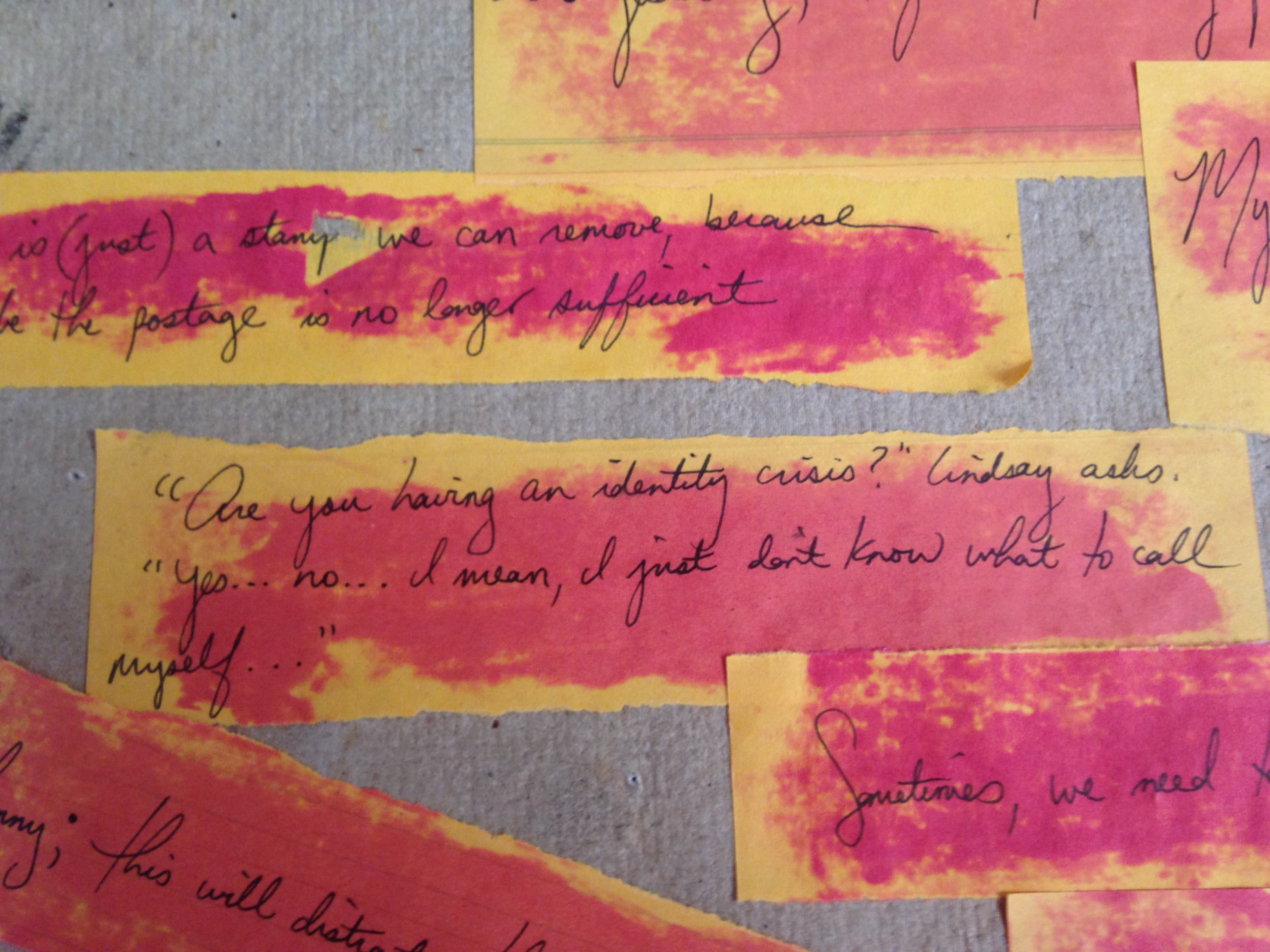
IMG_0933“Are you having an identity crisis?” Lindsay asks. 

This is from a poem by my friend Aimee Herman. I found myself talking to her in the kitchen recently in the falling down farmhouse in Nebraska, where we both are attending an artist residency.

Aimee is a poet and performance artist in New York. She’s the rare type of person who  actually makes me feel comfortable talking about myself. She asks me about art — and we talk about showing work and all of the emotions involved.

Aimee can walk on stage, read a poem and undress at the same time. She’s strong like that. She tells me that she feels out her audience but is willing to push them a little, to go somewhere that may challenge them.

As I talk about my experiences showing paintings, I have one of those out-of-body types of experiences. Why do I sound so negative? What happened to me?

I used to be the one who was enraptured with art, always planning a show or gathering friends for an event. Suddenly, I’m sounding like I hate art, like I hate galleries, like I hate showing work.

I know that there are numerous reasons for my current state of disenchantment — but that’s not where I want to be or who I want to be. Instead, I want to be, as my high school art teacher said, “childlike but not childish.” Wild and full of wonder, love and light. That cannot co-exist with all of this negativity and bitterness that I seem to feel.

So the reason I want to start this blog is to reconnect with my old feelings about art, to highlight the artists that I believe in and to document my life among the artists. I am the one having the identity crisis, I suppose, and I want to fix it somehow.